
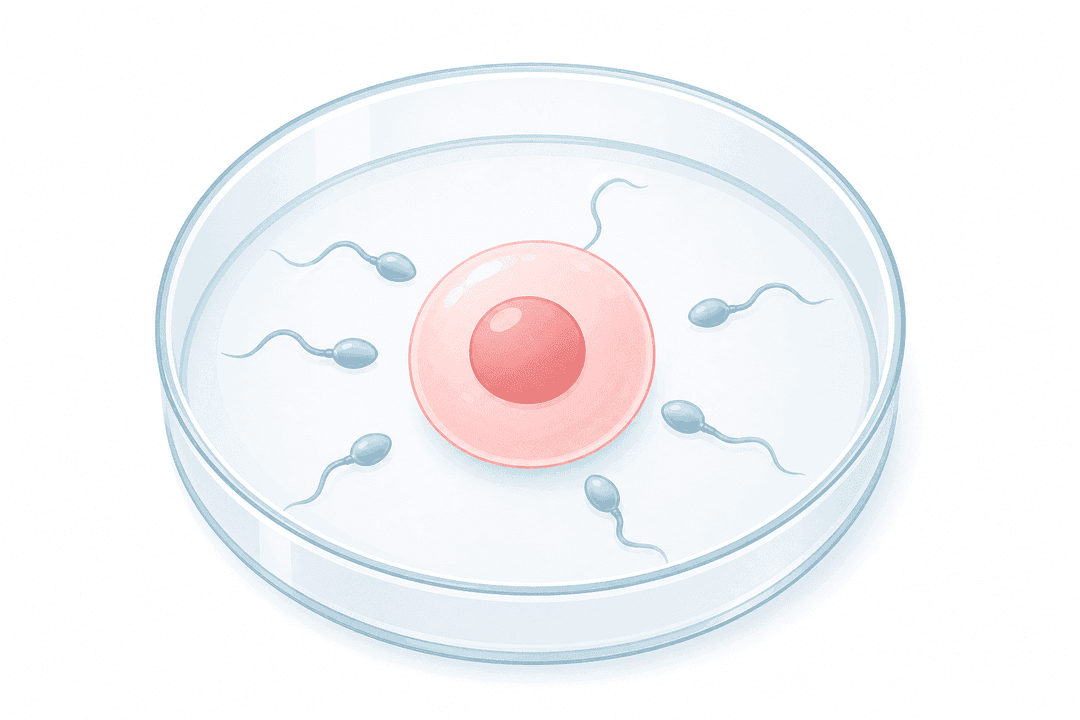
IVF
Start your journey to parenthood.
Estimated Cost
$3,500
Includes medications & monitoring.
Duration
2–3 Weeks / Cycle
Success Rate
60–70%
Get IVF Treatment in Canada with Yapita Health

IVF helps overcome the trouble with getting pregnant naturally. Common reasons people in Canada seek IVF include:
Low sperm count or poor sperm quality
Blocked or damaged tubes
Age-related fertility decline especially in women over 35
Conditions like endometriosis or PCOS
Single couples or LGBTQ+ couples looking for donors
The following also find relief with IVF treatment:
Female infertility due to poor egg quality or ovulation problems
Male infertility due to poor sperm movement (motility)
Genetic risks
Same-sex couples and single parents using donors
Conventional IVF is the most common type and involves mixing retrieved eggs and sperm in a lab for fertilization.
ICSI or intracytoplasmic sperm injection. This is often used when male factor infertility issue exists.
IVF with donor eggs or sperm is best for couples who cannot use their own eggs or sperm.
Natural cycle IVF avoids the use of medications for ovary stimulation. It relies on the natural ovulation cycle.
Mini-IVF is a less-aggressive approach that uses fewer medications for ovarian stimulation. Sometimes it is preferred for certain age groups.
Assisted hatching includes making a small opening in the outer layer of the embryo to aid implantation.
Egg or sperm freezing preserves the respective cells for future use.
Requirements
Medical tests ultrasound, blood tests, sperm analysis, uterine exams, hormone tests
Ovarian reserve testing with FSH, AMH and ultrasound to check egg count.
Healthy weight with BMI checks
No serious health issues must be present, infections should be treated first
Legal consent necessary - this differs by province, but have it with you in case
The first step is injecting fertility drugs that help the eggs to grow. This is the case in unnatural or stimulated IVF. The recipient gets daily hormone injections for 8-14 days.
Egg retrieval is a quick procedure that is performed under light sedation.
Sperm sample is collected from the partner or a donor.
Lab fertilization with sperm and eggs combined in the laboratory.
Embryo growth - the fertilized egg is incubated for 3-5 days to allow it to grow.
Embryo transfer after its growth for some days. It is placed in the uterus using a thin tube.
Pregnancy test after two weeks of transfer to confirm pregnancy.
The average per cycle IVF treatment cost in Canada can be 10,000-15,000 CAD and it can go higher including medications, extra tests and frozen transfers. Including everything, the average cost can be around 16,000-28,000 CAD.
British Columbia offers income-based funding for people seeking IVF, while states like Manitoba provide tax credits to hopeful parents.
One of the prominent challenges for people in Canada seeking IVF is the geographic disparity, uneven coverage and hidden costs.
Select the number of IVF cycles for an instant fertility treatment cost estimate.
Possible risks
Multiple pregnancies if more than one embryo is transferred
Ovarian hyperstimulation due to hormonal injections
Emotional and financial stress
Guaranteed Benefits
High success rates especially for women under 35.
Genetic testing options to avoid passing on disease.
Extremely helpful in case of infertility.
Rest for 1-2 days after egg retrieval as you may feel mild cramps.
Avoid heavy exercise after embryo transfer to maintain overall health.
Waiting period can be around 10-14 days.
If the pregnancy is successful, you will be called for follow-up ultrasounds, if not, then starting the next cycle can be discussed.
So, if you are looking for someone to get you connected with the top IVF hospitals in Canada - contact Yapita health today!
Verified clinics, transparent pricing, end-to-end concierge the proof, measured.
5,000+
Successful treatments placed
Real patients, real outcomes across hair, dental, cosmetic and IVF programs in 13+ countries since launch.
1,000+
Expert doctors
Board-certified specialists committed to quality care
20+
Countries covered
From Istanbul to São Paulo, on six continents.
98%
Patient satisfaction
Verified post-treatment reviews & follow ups.
400+
Partner hospitals
JCI and ISO-accredited facilities only.
100%
Verified clinics
On-site audits before any clinic ships traffic.
24/7
Patient support
Concierge in your language, every step of the way.
The factors that affect the IVF cost in Canada include:
The success rates in Canada is generally between 30%-40% on average, with better outcomes for treatments using donor eggs or specific techniques.
Get in touch today to get the best assitance for IVF treatment in Canada.
Share a few details and a Yapita Health coordinator will send you a vetted clinic shortlist and personalized quote within 24 hours.
Transparent pricing, no hidden fees. Every package includes the clinic stay, surgeon fee and aftercare.
Common questions about IVF treatment in Canada, answered by our care team.
Indications of IVF are:
You may have to take an injection daily for a period of 8 to 12 days. However, it depends on the patient's condition also. It would be best if you discuss this further with an expert doctor. Schedule your appointment today with our expert Embryologist.
For fertilization, the lab collects eggs from a healthy young donor woman. The donor eggs are then fertilized with sperm by the Embryologist in the laboratory. The fertilized eggs are then transferred to the uterus of a woman.
The embryologist fertilises eggs with sperm, both collected from an unknown donor. After fertilization, doctor implants one of the two fertilized eggs into the uterus. This has higher success rate for pregnancy.
If you are 30-35 years of age and have been planning to get pregnant for one year, then you should consult a doctor and take an opinion. If you are 35-40, trying to get pregnant and it's been more than a year, then it is advisable to discuss your case with an expert IVF specialist. At Yapita Health, we have a global team of expert fertility doctors, you can book an appointment with our doctors so that we guide you best to take the right decision.
The success rates of IVF treatment depend upon numerous factors and vary from case to case basis. At yapita health, we have a complete solution to all your fertility issues. Get in touch today with our expert doctors and take the right decision.
Expert guides and insights about IVF treatment in Canada to help you decide with confidence.

Planning IVF treatment abroad involves more than choosing a fertility clinic or comparing costs. International patients must consider treatment timelines, medical evaluations, travel arrangements, visa requirements, legal regulations, and post-treatment care. This blog explores the benefits of fertility medical tourism and outlines the essential steps to prepare for IVF overseas. It covers medical records, medication documentation, travel checklists, country-specific regulations, accommodation, and follow-up care after returning home. Patients can also learn how Yapita Health supports their journey by coordinating with hospitals and fertility specialists, providing cost estimates, and assisting with travel formalities for a more organized treatment experience.

As per a report in 2024, the estimated rate of infertility was 15%. Like any other prevalence, this statistic takes into account factors such as growing trend of male infertility, hormonal disorders (severe in urban areas) and lack of access to treatments. If you and your partner are someone struggling due to the above factors, I have good news for you - India can bring assisted reproductive technologies to you, breaking down the financial barrier back home.

Navigating IVF can feel overwhelming, but you're not alone. Whether you're in New York or London, Berlin or Los Angeles, this guide breaks down everything you need to know - from choosing a clinic to managing costs - in a clear, supportive way.

In vitro fertilization (IVF) is one of the most widely used fertility treatments, helping millions of couples and individuals conceive when natural methods are unsuccessful. Whether due to medical conditions, age-related infertility, or other factors, IVF offers hope - but it also comes with complexities, emotional challenges, and financial considerations. The following sections cover everything you need to know about IVF, from how it works and what to expect to success rates, costs, and alternatives.

Are you considering IVF or freezing your eggs/sperms? Chances are your doctors have already given you the complete rundown for how it is all going to go. But it is natural to think which one will give you a higher chance of success? Will it be frozen or fresh embryos? Both methods are highly successful, but it depends on crucial factors such as age and lifestyle factors. The following sections will help you understand your IVF options with frozen vs. fresh embryos clearly. Helping you make an informed decision by the end of the blog.
Understand the factors affecting IVF success and failure. Learn how to increase success rates with a healthy lifestyle and expert guidance. Consult our IVF specialist for personalized treatment options.