.webp&w=3840&q=75)
Mumbai16+ years experience
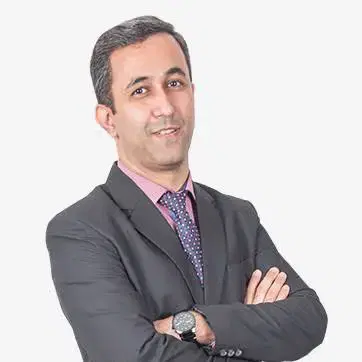
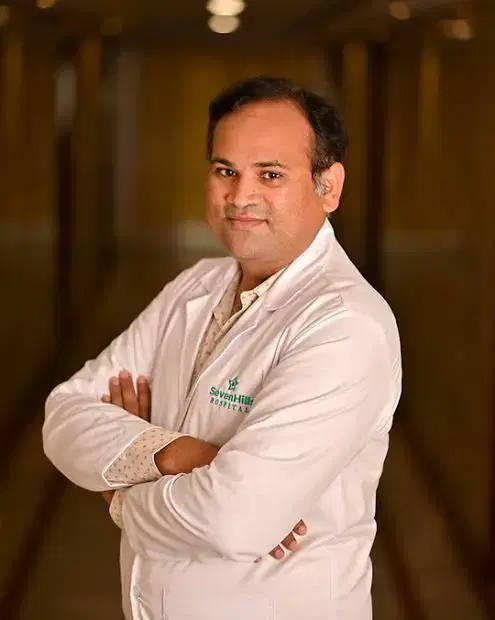
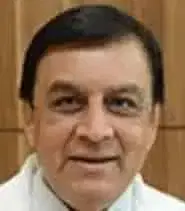
Dr. Mudit Khanna is known as an Orthopedics in Arthroscopy, Trauma, and Joint Replacement Specialist in Mumbai, India. He holds an experience of 15 years in contributing as a Orthopedic Specialist. Received a higher training in Orthopedics Surgery and gained experience in Arthroscopic and Joint Replacement Surgery within the renowned centers of the UK, Australia, and USA. His treatments include Shoulder Arthritis, Rheumatoid Arthritis, Ankle and Fractures, Knee problems and Injuries, Hip Dysplasia and Injury, Meniscus Tear, Minor Major Fractures, Osteonecrosis, Hip Joint Injury, Ligaments, and Bone fractures. Special treatments done are Carpal Tunnel Release, Shoulder and Knee Arthroscopy, Anterior Cruciate Ligament (ACL), Replacement of shoulder, Total Hip(B/L) and Total Knee(B/L), Sports related Shoulder Injury, Repairing of Meniscus, Primary, and Complex Knee Replacement Surgery. Holds expertise in the knowledge of Multi-media Presentations. Fluent in speaking English language. Received certifications as a member of the Royal College of Surgeons of Edinburgh, UK. Won the Roop Kishan Das Memorial Gold Medal in my final year of college for being the best MBBS student. Received Silver Medal in Microbiology. Certified as the best performer in Biochemistry and Physiology in the year 1996. Honored for best performance in Ophthalmology and received certification in 2000. Researched in the study of 5000 cases and complications and published to the University of Dundee. Presented article titled 'Documentation in case of notes by doctors'. Showed his research on the Major Trauma Management at Tameside General Hospital, Ashton-U-Lyne, Lancashire.