
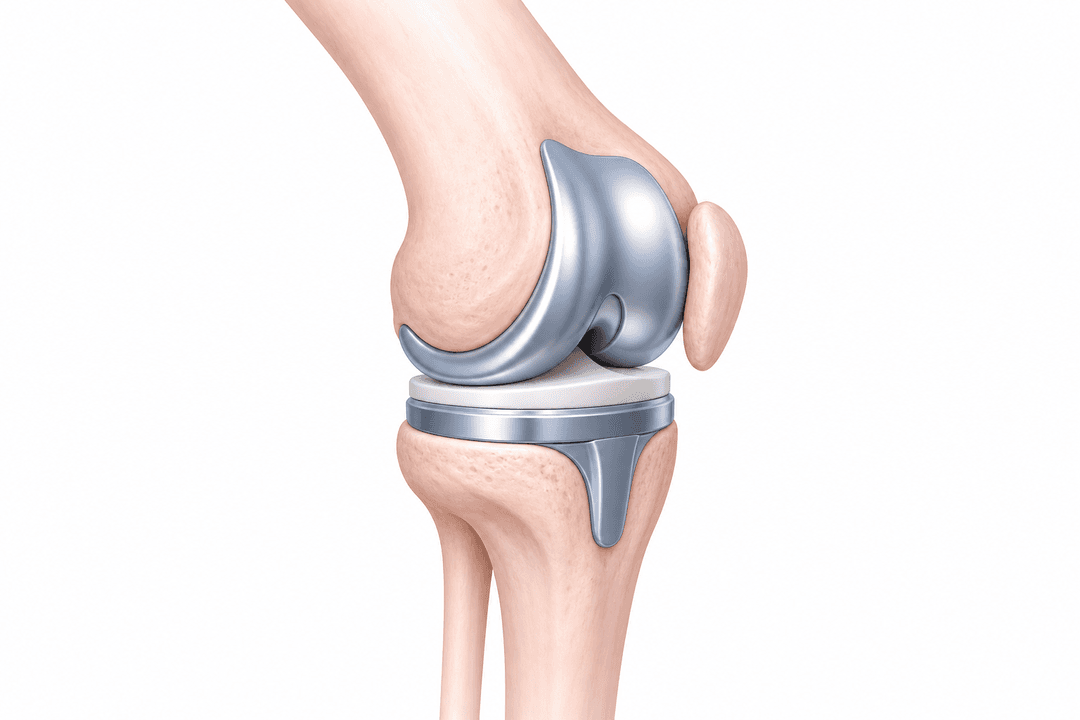
Orthopedic
Move freely without pain.
Estimated Cost
$6,350
Knee replacement all inclusive.
Duration
5–10 Days
Recovery
6–12 Weeks
Get approximate cost for Bilateral Hip Replacement Surgery in India

During a hip replacement surgery (also called hip arthroplasty), your surgeon works to remove parts of your hip joint that have been damaged, then replaces them with new, artificial parts. Most of the time, hip replacement surgery is performed on one side of the hip (unilateral). But sometimes, hip replacements are done on both sides of the hip (bilateral). Double hip replacements are less common than unilateral hip replacements.
Select a procedure for an instant estimate from leading JCI-accredited orthopedic centers.
Bilateral hip replacement involves replacing both hip joints in a single surgical session. It addresses conditions like severe arthritis or joint damage. The procedure aims to relieve pain, improve mobility, and enhance the overall quality of life for individuals with bilateral hip joint issues.
Bilateral hip replacement may be necessary when both hip joints are severely damaged or diseased, commonly due to conditions like osteoarthritis, rheumatoid arthritis, or avascular necrosis. This surgical intervention aims to alleviate pain, improve mobility, and enhance the overall function of both hip joints simultaneously for a better quality of life.
Osteoarthritis
Rheumatoid arthritis
Avascular necrosis
Candidates for bilateral hip replacement undergo a comprehensive evaluation. Criteria include severe pain, restricted mobility, and inadequate response to conservative treatments in both hips. Preoperative assessments consider overall health, bone density, and the ability to follow postoperative protocols. The decision is based on optimizing outcomes and ensuring that patients are physically capable of undergoing and benefiting from simultaneous bilateral hip replacement.
There are different approaches to performing bilateral hip replacement surgeries. The main types include:
Simultaneous Bilateral Hip Replacement (SBHR):
Both hip joints are replaced in a single surgery, reducing overall recovery time.
Staged Bilateral Hip Replacement:
Each hip is replaced in separate surgeries, allowing for focused rehabilitation between procedures.
Anterior-Posterior Approach:
Combines anterior and posterior incisions for improved access during bilateral hip replacement.
Minimally Invasive Bilateral Hip Replacement:
Uses smaller incisions to reduce trauma and potentially speed up recovery for both hips.
The choice depends on factors such as the patient's overall health, surgeon preference, and the specific characteristics of the hip conditions being addressed.
Before the Procedure:
Preoperative Assessment: Thorough evaluation of overall health and hip conditions in both joints.
Diagnostic Imaging: X-rays, CT scans, or MRI to assess hip damage in both joints.
Medical Clearance: Ensuring the patient is fit for bilateral surgery.
Surgeon Consultation: Discussion of the procedure, potential risks, and expected outcomes.
After the Procedure:
Immediate Postoperative Care: Monitoring in the recovery room.
Hospital Stay: Typically 2-5 days, depending on patient progress.
Pain Management: Medications to control pain and discomfort.
Early Mobilization: Encouraging movement and walking with assistance.
Physical Therapy: Initiating rehabilitation exercises to restore hip function.
Risks:
Infection: Risk of postoperative infections in both hips.
Blood Clots: Potential for deep vein thrombosis (DVT).
Implant Dislocation: Prosthetic components may dislocate.
Nerve or Blood Vessel Injury: Rare but possible during surgery.
Anesthesia Complications: Adverse reactions to anesthesia.
Benefits:
Pain Relief: Alleviation of chronic pain in both hips.
Improved Function: Restoration of mobility in both hip joints.
Enhanced Quality of Life: Increased ability to perform daily activities.
Correction of Deformities: Addressing joint deformities or abnormalities in both hips.
Recovery:
Immediate Postoperative Period: Gradual progression from assisted walking to increased mobility.
Physical Therapy: Essential for regaining strength, flexibility, and balance.
Weight-Bearing Progression: Gradual return to weight-bearing activities.
Follow-up Appointments: Regular monitoring of healing and progress.
Long-Term: Full recovery may take several weeks to months, with ongoing improvement over time.
We offer top-quality medical tourism services to help patients like you receive the best treatment abroad. With our team of experienced doctors and state-of-the-art facilities, you can trust us to provide you with exceptional care and support throughout your journey. Our dedicated team of medical professionals will be with you every step of the way, ensuring your journey to recovery is as smooth and successful as possible.
Hundreds of clinics across 20+ countries. One coordinator who narrows it down to the right two or three, transparently, and runs the whole trip for you.
We audit accreditation, credentials, patient reviews and on-site facility inspections so you only compare clinics worth your trust.
Detailed cost breakdowns with no hidden fees, plus preferential partner rates typically 10–15% below booking directly.
Visa guidance, flights, airport pickup, hotel, clinic coordination and 12 month post-op check-ins managed by one dedicated coordinator.
Share a few details and a Yapita Health coordinator will send you a vetted clinic shortlist and personalized quote within 24 hours.
Common questions about Bilateral Hip Replacement Surgery, answered by our care team.
This surgery is typically recommended for individuals with severe arthritis, joint degeneration, or hip conditions affecting both hips, resulting in significant pain and functional limitations.
Yes, bilateral hip replacement can be performed simultaneously in a single surgery. However, some individuals may undergo staged procedures with a short interval between surgeries.
The surgery duration varies but generally takes around 2 to 3 hours for both hips when performed simultaneously.
Recovery from bilateral hip replacement may be more challenging compared to unilateral surgery. However, it ultimately depends on factors such as overall health, age, and adherence to rehabilitation.
Yes, it's possible to use different implant types or materials for each hip, depending on individual needs and the surgeon's recommendation.
While the risks are generally similar to unilateral hip replacement, there may be a slightly higher risk of complications due to the extended surgical time. Common risks include infection, blood clots, and anesthesia-related issues.
Rehabilitation can take several weeks to months. Physical therapy is crucial for regaining strength, flexibility, and mobility. Patients are typically guided through a gradual return to normal activities.
Most patients can resume low-impact activities and even some sports after recovery. High-impact activities may need to be avoided or approached cautiously.
Expert guides and insights about Bilateral Hip Replacement Surgery to help you decide with confidence.

Robotic joint replacement in India is an advanced option that helps resolve joint issues like knock knees, hip, or mobility issues. Fortis Delhi is one of the best hospitals in India offering this sophisticated procedure - Yapita brings the complete information for you to get the treatment. Learn all about the cost and the types available here.

We are back with the latest edition of #ExpertSpeaks and we had the opportunity to discuss orthopedics with the best orthopedic surgeon in India, Dr. Ramkinkar Jha from artemis Hospital, Gurgaon. From latest innovation to everything in between, Dr. Jha shared his insights on the development in orthopedics care. Dr. Ramkinkar Jha has over two decades of experience and is the chief and unit head of the orthopedics department a Artemis Hospital.

That nagging pain in your back may have been here for years, if not months. You have tried everything - from injections, physical therapy to rest - but with no complete relief. The idea of surgery feels overwhelming, so you are delaying it. Just a little longer, you tell yourself. But this little longer can cost you far more than what you realize. Not just in discomfort, but in health impact, livelihood and peace of mind. The following sections are more than just rushing into surgery, it is about making an informed decision after understanding the full spectrum.

Limb lengthening surgery is a surgical procedure that increases the length of bones in the legs (femur or tibia) to treat discrepancies or, in some cases, for cosmetic height enhancement. The process involves carefully cutting the bone and slowly stretching it over time, allowing new bone tissue to form in the gap. This procedure was originally developed to treat conditions like dwarfism, congenital deformities, or injuries causing uneven leg lengths. However, it has recently gained popularity among healthy adults seeking a taller stature.

When we think of bone cancer, most people picture unbearable pain or visible lumps. The truth is, bone cancer often whispers before it roars. Most articles you come across, list the general bone cancer symptoms such as pain and swelling without explaining crucial things. For example, how would someone distinguish everyday pain from cancer-related discomfort? We'll explore the unspoken, misunderstood and rarely discussed symptoms that patients often experience before their diagnosis.

Hip arthroplasty which you may know as hip replacement surgery is one of the most effective ways to replace damaged bone and cartilage from your hip. This may be due to osteoarthritis or an injury - it is important to know the cause to determine the success. Other factors to keep in mind include - surgeon s expertise, your health and determination to stick to the post-op care. For patients with advanced hip joint damage such as above, replacing the bone or cartilage through this surgery improves mobility and reduces pain. The outcomes are usually positive with experienced surgeons.