
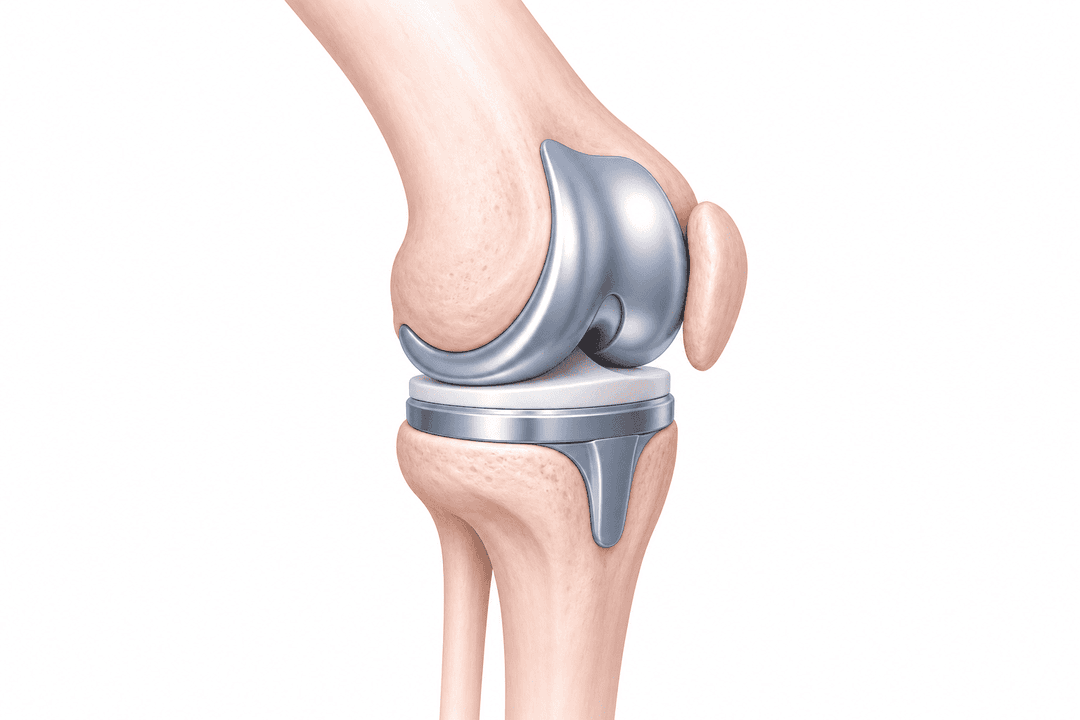
Orthopedic
Move freely without pain.
Estimated Cost
$6,350
Knee replacement all inclusive.
Duration
5–10 Days
Recovery
6–12 Weeks
Affordable Limb Lengthening Surgery in Thailand with Expert Care.
* Varies based on individual treatment requirements.
Limb lengthening surgery gradually lengthens the femur or tibia by cutting the bone and separating it about 1 mm a day, so new bone forms in the gap. It treats leg length differences and short stature, and is also chosen for cosmetic height increase. Bangkok's JCI-accredited hospitals offer the full range of methods, from Ilizarov frames to internal magnetic nails, for about half of what the same surgery costs in the USA.
External fixation (Ilizarov): about $35,000–$40,000 for both legs. The lowest-cost option, suited to complex deformity correction.
LON (Lengthening Over Nail): about $40,000–$48,000. The external frame is removed after lengthening, shortening the time you wear it.
Internal magnetic nail (PRECICE or similar): about $45,000–$55,000. The most comfortable option, with a lower infection risk, and the highest price.
One leg only (length difference correction): about $25,000–$45,000.
Select a procedure for an instant estimate from leading JCI-accredited orthopedic centers.
|
Country |
Cost of Limb Lengthening (Approx., both legs) |
|---|---|
|
Thailand |
$35,000 to $55,000 |
|
India |
$14,000 to $35,000 |
|
Turkey |
$15,000 to $48,000 |
|
Mexico |
$26,000 to $36,000 |
|
Germany |
$55,000 to $80,000 |
|
United States |
$70,000 to $150,000 |
Figures are estimates and vary by method, hospital and the patient's needs.
Method and implant brand (an internal nail costs 30–50% more than an external frame)
One bone or two, and one leg or both
Surgeon's experience and hospital tier
Pre-surgery tests: X-rays, CT scan, blood tests and anaesthesia check
Hospital stay of 3–7 days after surgery
Physiotherapy sessions during the 2–3 month lengthening phase
Follow-up X-rays and device removal surgery
Accommodation for 3–4 months and visa extension
Full-length standing leg X-rays and a CT scan for bone measurements
Blood tests, including vitamin D and bone markers
ECG and anaesthesia fitness check
X-rays every 1–2 weeks during lengthening
Physiotherapy assessments of joint movement and muscle strength
X-rays during consolidation to confirm the new bone has hardened
Most patients spend 3–7 days in hospital, then begin lengthening 5–10 days after surgery. Lengthening lasts about 2–3 months for 5–8 cm, followed by 6–9 months of consolidation. Many patients walk normally again 6–9 months after surgery, and internal nails are usually removed after about a year.
Yapita Health compares quotes from accredited Bangkok hospitals, shares surgeon profiles before you travel, and arranges your stay, airport pickup and follow-up. Request a free quote to see a cost breakdown for your case.
Share a few details and a Yapita Health coordinator will send you a vetted clinic shortlist and personalized quote within 24 hours.
Common questions about Cost of Limb Lengthening Surgery in Thailand, answered by our care team.
The method, the number of bones lengthened, the hospital, the surgeon's experience and the length of your physiotherapy all change the final price.
Full-length leg X-rays, a CT scan, blood tests, an ECG and an anaesthesia check.
Most patients reach their planned length. Complications such as joint stiffness or slow bone healing can occur and are managed by adjusting the lengthening speed and physiotherapy.
Insurance may cover medically needed lengthening, but cosmetic height surgery is rarely covered. Check with your insurer before you travel.
About 2–3 months of lengthening plus 6–9 months for the bone to harden; most patients walk normally within 6–9 months.
The operation takes about 2–4 hours, but the full treatment, including lengthening and early recovery, takes 3–4 months in Thailand.
Expert guides and insights about Cost of Limb Lengthening Surgery in Thailand to help you decide with confidence.

This guide explains the cost of scoliosis surgery for children in India, comparing treatment expenses with those in the USA. It covers different surgical options, including spinal fusion, growing rods, growth-friendly procedures, and minimally invasive techniques. It also provides city-wise cost estimates for Delhi, Chennai, Mumbai, Kolkata, and Bengaluru, along with procedure-wise price ranges. Families can understand the factors affecting treatment costs, such as the child's age, spinal curvature, implant requirements, surgical method, and hospital charges. It also highlights additional expenses international families should consider, including travel, visas, accommodation, and follow-up care.

Robotic joint replacement in India is an advanced option that helps resolve joint issues like knock knees, hip, or mobility issues. Fortis Delhi is one of the best hospitals in India offering this sophisticated procedure - Yapita brings the complete information for you to get the treatment. Learn all about the cost and the types available here.

We are back with the latest edition of #ExpertSpeaks and we had the opportunity to discuss orthopedics with the best orthopedic surgeon in India, Dr. Ramkinkar Jha from artemis Hospital, Gurgaon. From latest innovation to everything in between, Dr. Jha shared his insights on the development in orthopedics care. Dr. Ramkinkar Jha has over two decades of experience and is the chief and unit head of the orthopedics department a Artemis Hospital.

That nagging pain in your back may have been here for years, if not months. You have tried everything - from injections, physical therapy to rest - but with no complete relief. The idea of surgery feels overwhelming, so you are delaying it. Just a little longer, you tell yourself. But this little longer can cost you far more than what you realize. Not just in discomfort, but in health impact, livelihood and peace of mind. The following sections are more than just rushing into surgery, it is about making an informed decision after understanding the full spectrum.
Limb lengthening surgery is a surgical procedure that increases the length of bones in the legs (femur or tibia) to treat discrepancies or, in some cases, for cosmetic height enhancement. The process involves carefully cutting the bone and slowly stretching it over time, allowing new bone tissue to form in the gap. This procedure was originally developed to treat conditions like dwarfism, congenital deformities, or injuries causing uneven leg lengths. However, it has recently gained popularity among healthy adults seeking a taller stature.

When we think of bone cancer, most people picture unbearable pain or visible lumps. The truth is, bone cancer often whispers before it roars. Most articles you come across, list the general bone cancer symptoms such as pain and swelling without explaining crucial things. For example, how would someone distinguish everyday pain from cancer-related discomfort? We'll explore the unspoken, misunderstood and rarely discussed symptoms that patients often experience before their diagnosis.