
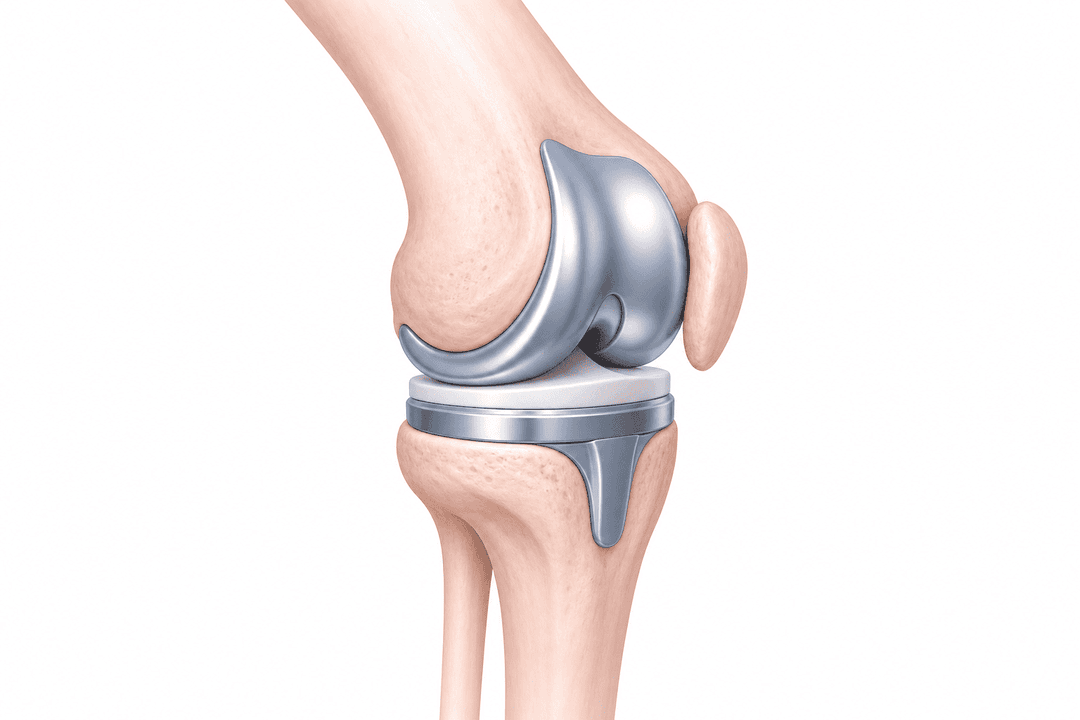
Orthopedic
Move freely without pain.
Estimated Cost
$6,350
Knee replacement all inclusive.
Duration
5–10 Days
Recovery
6–12 Weeks
Unlock our Best and Exceptional Limb Lengthening Surgery Overseas
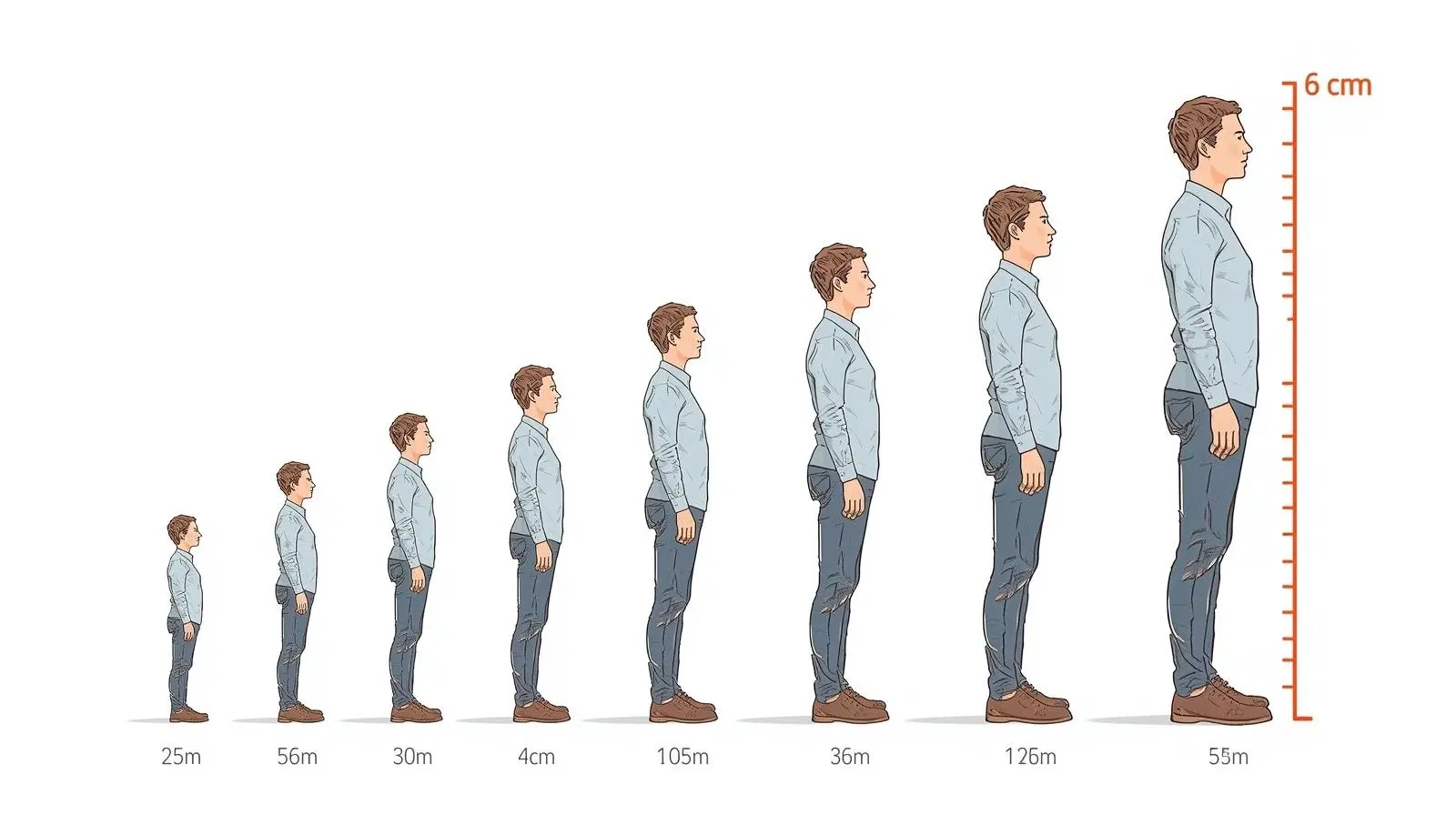
Germany has been a global leader in orthopedic surgery and medical technology. Choosing Germany in limb lengthening offers several advantages:
Germany has an orthopedic innovation legacy - developers of advanced limb lengthening techniques. Internal lengthening nails, precise external fixators - everything else that the world uses is refined by German engineers and surgeons.
Numerous university hospitals and orthopedic clinics that focus on complex limb reconstruction and lengthening.
Cutting-edge technology that is at the forefront of adopting and developing the latest surgical technology. This maintains the highest standards of safety and precision.
German medical philosophy emphasizes on comprehensive rehabilitation with well-integrated physical therapy program.
Select a procedure for an instant estimate from leading JCI-accredited orthopedic centers.
People come to us with requests to suggest ways to become taller. Thanks to procedures like limb lengthening, our patients get access to the best way for increasing height.
Germany is the best destination in the world for limb lengthening, a cosmetic procedure that allows people to increase their height by at least 6-12 cms.
Note: A change in height of 12 cms is not done in one surgery and requires the patient to visit the facility for a second limb lengthening surgery for a total 12 cms increase.
People look to Germany as an alternative to limb lengthening in US or UK for its lower costs yet safe and exceptional results. Here's what makes Germany a top choice:
Top surgeons who pioneer in meticulous procedures,
German orthopedic excellence that is effective in addressing birth defects, injuries and medical conditions,
High quality standards with cutting-edge technology.
The country is well-known for several complex procedures - from cancer treatment to cosmetic and heart surgery, with highly-trained doctors and accredited facilities bringing in more international patients who are comfortable with the high costs.
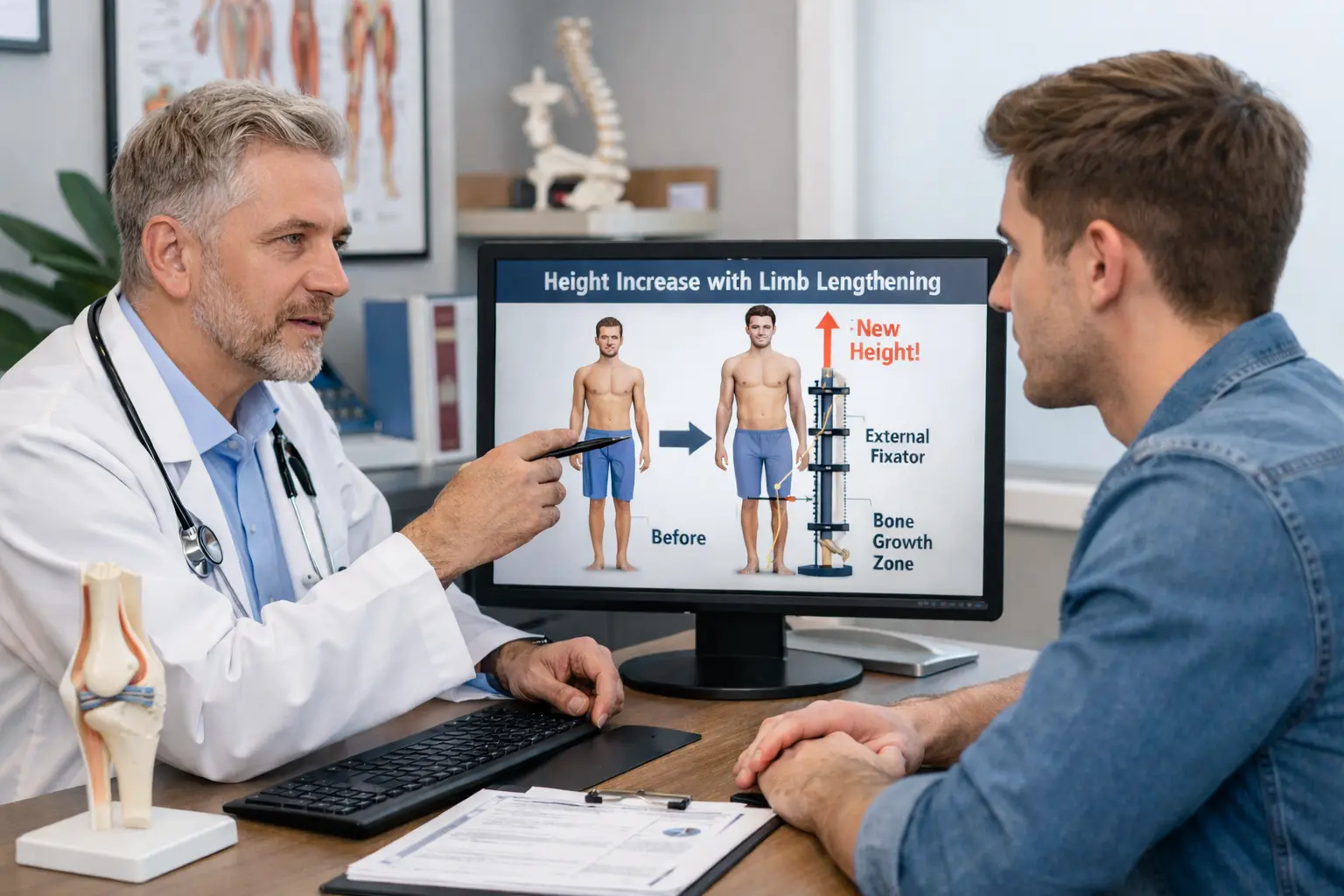
When choosing a surgeon for limb lengthening in Germany, you must keep the following in mind:
Check if they have German medical license and if they specialize in orthopedic surgery.
Look for departments or surgeons with a dedicated focus and extensive research in complex limb lengthening procedures.
You must also check their academic affiliation and research. This improves their adoption of latest advancements.
How many centimetres can I increase with limb lengthening surgery?
Depending on the method you choose and the area of lengthening, you can expect to have a height increase of:
In the femur (thigh bone): 5-8cm (2-3 inches) increase
In tibia or shin bone: 4-6cm (1.5-2.5 inches) increase
In combined procedures: 10-15cm (4-6 inches) maximum increase
Note: Greater increases require multiple staged procedures. The first couple of inches/cms increasing in the first round followed by another procedure after 6-12 months for the rest of the height increase surgery in Germany.
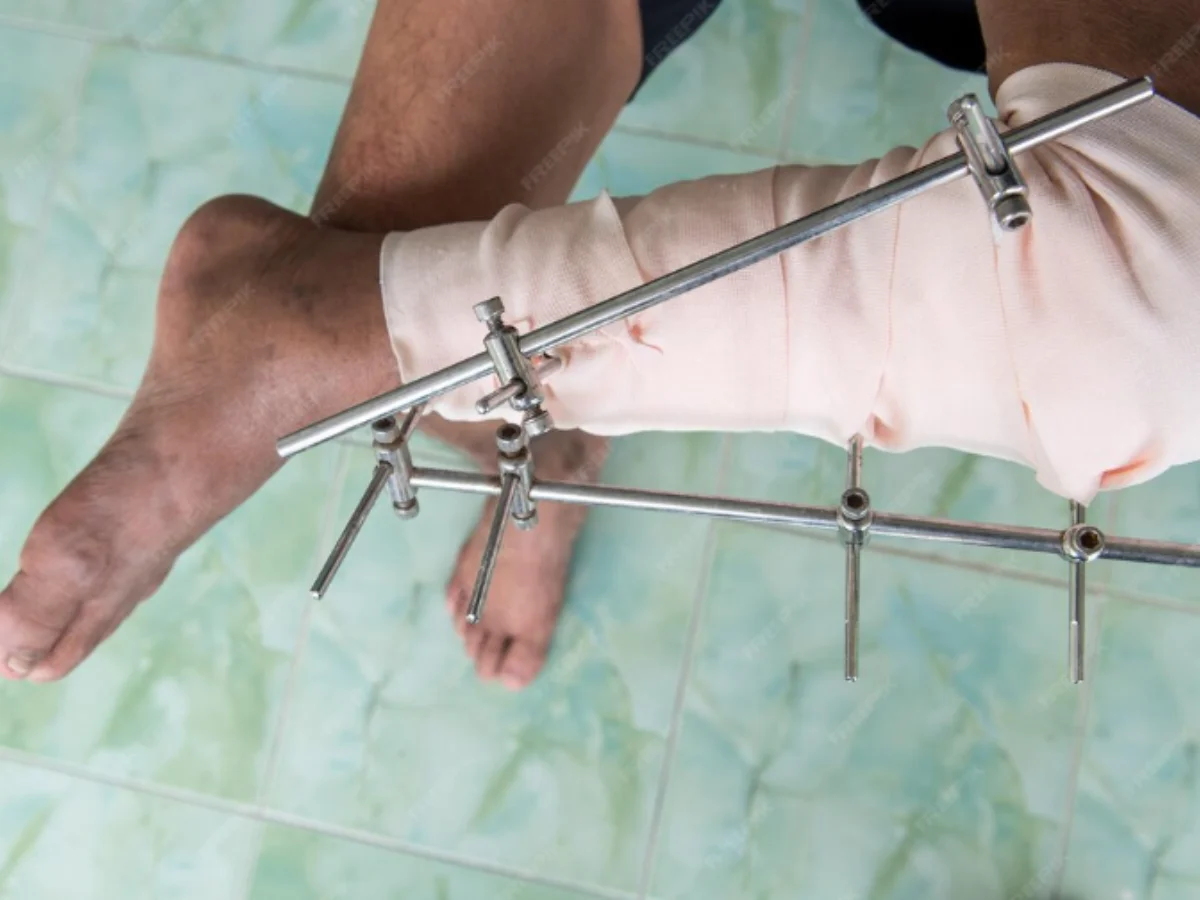
Here's the complete limb lengthening process in Germany:
Check out the following list for the top hospitals offering the best surgery:

The ZEM-Germany clinic (Center for Corrective and Reconstructive Extremity Surgery) is located in Munich, and is one of the most renowned specialized clinics in Germany for limb lengthening and deformity correction. Having over 15 years of experience and treating patients from over 40 countries, Prof. Dr. Dr. R. Baumgart has founded a successful clinic. Among other things, the clinic boasts the capability of intramedullarly motorized lengthening nails (FITBONE), a system which allows for gradual lengthening of bone with a minimal external setup. The clinic offers other services besides height enhancement, such as limb length discrepancies and deformities, as well as complex reconstruction cases. All cases are handled with personalized treatment and rehabilitation.

The Becker Betz Institute in Freiburg is a private clinic that specializes in cosmetic limb lengthening. It is supervised by Dr. Becker, who leads a global team of experts that has completed more than 1,500 procedures. The BBI developed the first implant to stabilize limb lengthening that allows patients to bear weight during treatment and be active before full consolidation occurs. Patients are able to receive high quality and individualized services, including active rehabilitation support and post-operative follow-up appointments. Due to the modern techniques and active support, the BBI is one of the main clinics in Germany for limb lengthening.
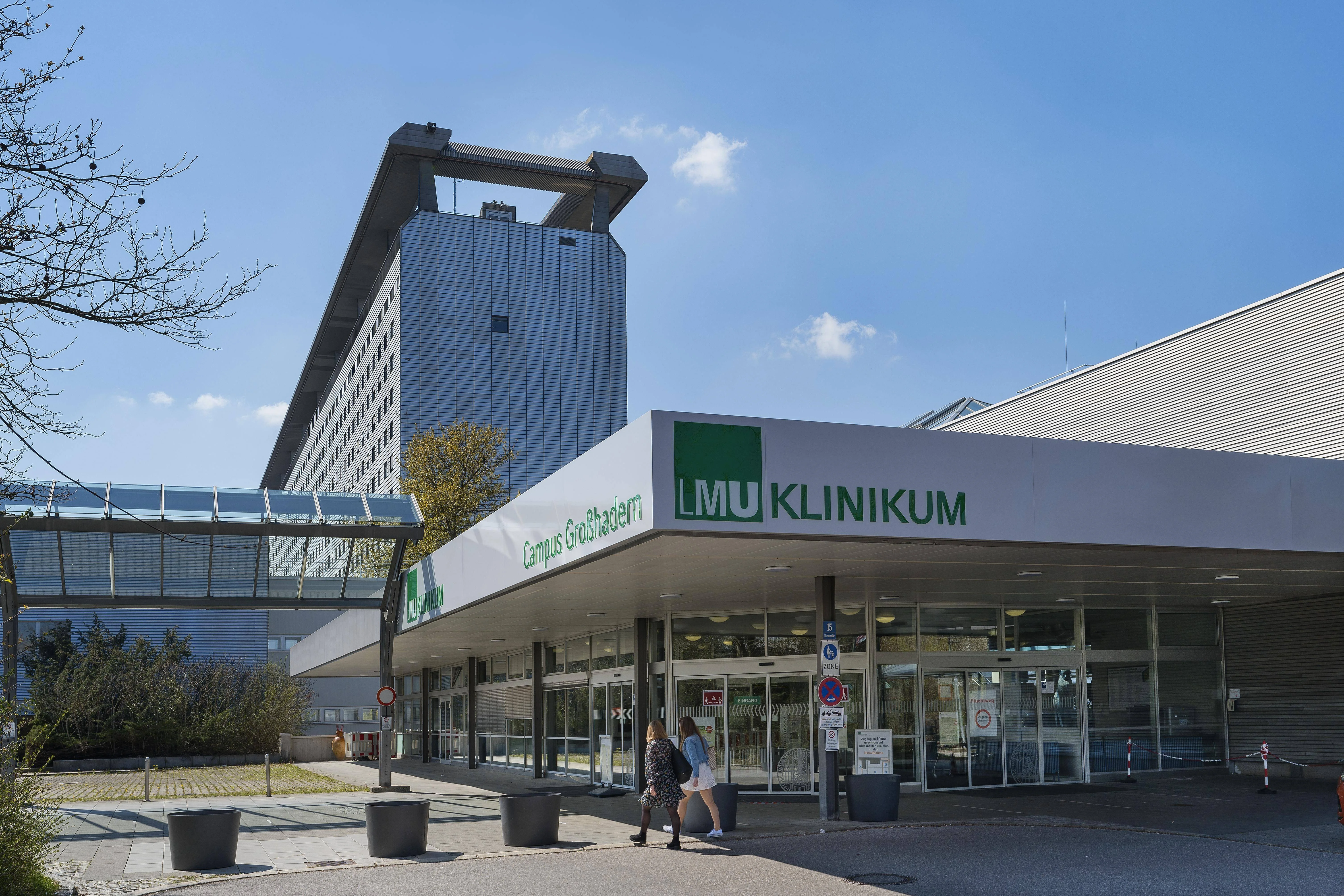
The LMU Munich University hospital, one of the best medical centers for orthopedics and trauma surgery, and one of the best in Germany, offers advanced services. Some challenges that other orthopedic clinics face include limb deformities, congenital limb issues, and limb deformities that may require surgical bone reconstruction. This clinic has multiple teams that deal with limb deformities and congenital deformities. They use advanced surgical methods and treatment modes that are grounded in the best evidence available. LMU hospital has highly qualified orthopedic surgeons. They have different medical aids that allow them to provide a detailed assessment, surgery, and follow-up for limb reconstruction and limb lengthening for patients.
University Hospital Heidelberg is one of the best university hospitals in Europe. They really excel in their orthopedic and trauma care for complex bone and limb disorders. They pair advanced surgical skills with modern research for their patients with limb deformities and conditions of the musculoskeletal system. Their teams of specialists (surgeons, radiologists, rehabilitation specialists, and physiotherapists) work in unison in the creation of tailored treatment approaches. They also have support services dedicated for their international patients. This makes them a leader for those in need of satisfactory orthopedic care and rehabilitative support.
Bavarian Foot and Leg Center (BFZB) is a Munich based foot and ankle surgery center that specializes in limb length surgery. Being a newer and more innovative center within the field, BFZB is constantly praised for its usage of patented and cutting-edge technology within the field of surgery, including the usage of the precision of the magnetic intramedullary device. The surgery center specializes in both health-based and elective surgeries. BFZB holds extensive consultations and offers individualized and personalized treatment and rehabilitation plans to its clientele. The center offers innovative and leading rehabilitation services to its clientele. BFZB is well-known and recognized within Germany for its limb lengthening services thanks to its highly qualified and experienced surgical staff.
Many international patients choose limb lengthening in Turkey for cost-effective options and well-equipped hospitals with advanced technology. Those who wish to find cheaper alternatives to limb lengthening in US go for Turkey and neighboring countries as their preferred destination for this surgery. Here are the top doctors for limb lengthening in Germany:

Prof. Dr. med. Reiner Baumgart, one of the best-well-known orthopedic surgeons in Germany, is a pioneer and first of his kind in progressive limb lengthening surgery. Being a limb reconstruction, deformity correction, and height increase procedure expert, he built ZEM-Germany in Munich and has published countless scientific publications in limb lengthening techniques. He has devoted his life work to limb lengthening deformity correction. Dr. Baumgart created the FITBONE motorized intramedullary nail and is a co-inventor of the product and with his clinical experience for decades, Dr. Baumgart has treated over thousands of patients in over 40 countries, making him one of the best in Europe in complex extremity surgery.

Dr. Becker is one of the most well-known limb lengthening cosmetic surgeons. His practice is at Becker Betz Institute in Freiburg. He has developed an implant that helps improve a patient’s recovery and the stability of the implant post-op. His nail design is called BETZBONE. He has a great reputation for having a minimally invasive technique and allows his patients to be active post-op in a timely manner with as little scaring as possible. He has performed over 1,500 limb lengthening surgeries. He has a lot of patients traveling from other countries to see him, and encourages this. He personally tailors the treatment for each of his patients and provides rehabilitation post-op and monitoring and checkups for as long as the patient needs.

Dr. Peter Thaller is an Orthopedic Surgeon with an incredible wealth of experience in deformity correction and highly skilled at complex reconstruction of bone and limb lengthening.He is the Head of 3D-Surgery at Ludwig Maximilian University (LMU) Munich. He has advanced skills in reconstructive surgery with over 20 years of experience. Dr. Thaller is highly regarded internationally due to his specialty surgery. He is a pioneer in motorized surgery with over 1,000 procedures. He has an excess of 60 publications and is an international leader in his specialty area. He is also a leading educator in his area of expertise by helping to organize the International 3D Surgery Course.

Dr. Guido Köhne is one of Munich's finest orthopedic surgeons. His talents and skills in limb lengthening, leg deformity correction, foot surgery, and ankle reconstruction have earned him the ability to treat countless patients throughout Europe. As the mind behind Leg and Foot Center Bavaria, Dr. Köhne concentrates on treating both medical limb length discrepancies and cosmetic height enhancement cases. Utilizing the PRECICE magnetic intramedullary nail, Dr. Köhne can extend the length of bones while keeping the body comfortable and the process controlled. To help ensure his patients get the most beneficial results, Dr. Köhne carefully constructs individualized plans that account for the surgical process, the technologies available, and the recovery period.
The following surgical techniques in Germany are delivered with high precision and accuracy for the best results:
External Fixation (Ilizarov Method, LRS)
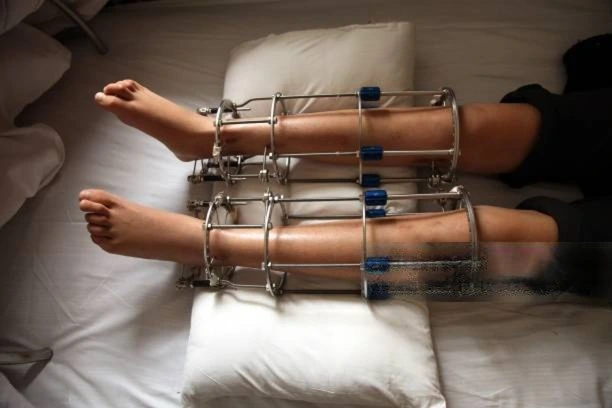
Circular external frame attached with transosseous wires (wires that pass through bone). Gradual distraction at approximately 1 mm per day.
This allows precise control and has lower initial costs. Which is mostly why people choose this method. On the downside, this method has higher risk of infection and is not the most comfortable procedure.
Internal Lengthening (PRECICE Nail System, STRYDE Nail)
Implanted telescopic nail lengthened with external remote. This provides better comfort than Ilizarov and has lower infection risk. Despite its advantages, it is less preferred due to the high cost and limited applicability.
Combined Femur and Tibia Lengthening
This is sequential process that combines lengthening of both thigh and shin bones. This helps increase the total height by 10-15 cm and requires surgeries at intervals. This is essential for proper recovery.
The average cost of limb lengthening surgery in Germany is around $35,000-$65,000 and varies depending on the type of procedure. Here's the breakdown:
Procedure Costs
External fixation: $35,000-$65,000+
Internal nail system: $65,000-$95,000+
Additional Costs
Hospital fees and accommodation
Rehabilitation and physical therapy
Potential revision surgeries
Insurance coverage considerations
Medically necessary cases may receive partial coverage
Cosmetic procedures typically not covered by insurance
Patients should verify coverage with their provider
Delayed bone union or non-union
Pin site or deep bone infections
Nerve or vascular damage
Joint stiffness or contractures
Device-related complications
Verified clinics, transparent pricing, end-to-end concierge the proof, measured.
5,000+
Successful treatments placed
Real patients, real outcomes across hair, dental, cosmetic and IVF programs in 13+ countries since launch.
1,000+
Expert doctors
Board-certified specialists committed to quality care
20+
Countries covered
From Istanbul to São Paulo, on six continents.
98%
Patient satisfaction
Verified post-treatment reviews & follow ups.
400+
Partner hospitals
JCI and ISO-accredited facilities only.
100%
Verified clinics
On-site audits before any clinic ships traffic.
24/7
Patient support
Concierge in your language, every step of the way.
Your first few days will be at the hospital where you spend 3 to 5 days right after your surgery.
Physical therapy is an essential part of this surgery as this will help keep your muscles flexible and bring mobility to your joints. This helps your bone grow strong. Expect to continue physical therapy for 6-12 months.
Within 8-12 months, with continuous physical therapy, you can gradually return to full weight-bearing stage without external support. This approach helps your bone harden properly and safely.
Nutritional support during this time will promote bone healing. This means your diet will have foods rich in calcium and other vitamins essential for bone growth and recovery.
Regular follow-up scans and imaging assessments will help your doctor monitor the bone growth. This will also allow them to make any adjustments to your recovery plan.
Limb lengthening surgery in Germany represents a significant medical advancement with life-changing potential for appropriate candidates. The country's renowned healthcare system offers:
Advanced surgical techniques
Highly qualified specialists
Stringent safety standards
Prospective patients should:
Research thoroughly
Consult with multiple specialists
Carefully consider the long recovery process
Verify all financial arrangements
Ready to explore your options? Get in touch to consult a specialist in Germany to discuss your eligibility and a personalized treatment today!
Share a few details and a Yapita Health coordinator will send you a vetted clinic shortlist and personalized quote within 24 hours.
Common questions about Limb Lengthening Surgery in Germany, answered by our care team.
Limb lengthening surgery cost depends on the type of procedure recommended for your height increase. The cost usually ranges between $35,000-$65,000 (external fixation) and between $65,000-$95,000 (internal nail system).
The cost varies from city-to-city as well, with Frankfurt offeering limb lengthening between $59,500-$94,500.
Yes, limb lengthening is not just for the legs, arms can also be lengthened, though it is not very common.
The surgery last for about 1.5-2 hours per leg.
Yes, you can get limb lengthening in India for a lot cheaper without compromising on the quality. India has skilled surgeons, well-equipped hospitals and advanced technology available for increasing height.
Yes, Germany is one of the best countries in the world for limb lengthening surgery as it has advanced facilities and doctors who have vast experience in the procedure.
Expert guides and insights about Limb Lengthening Surgery in Germany to help you decide with confidence.

Robotic joint replacement in India is an advanced option that helps resolve joint issues like knock knees, hip, or mobility issues. Fortis Delhi is one of the best hospitals in India offering this sophisticated procedure - Yapita brings the complete information for you to get the treatment. Learn all about the cost and the types available here.

We are back with the latest edition of #ExpertSpeaks and we had the opportunity to discuss orthopedics with the best orthopedic surgeon in India, Dr. Ramkinkar Jha from artemis Hospital, Gurgaon. From latest innovation to everything in between, Dr. Jha shared his insights on the development in orthopedics care. Dr. Ramkinkar Jha has over two decades of experience and is the chief and unit head of the orthopedics department a Artemis Hospital.

That nagging pain in your back may have been here for years, if not months. You have tried everything - from injections, physical therapy to rest - but with no complete relief. The idea of surgery feels overwhelming, so you are delaying it. Just a little longer, you tell yourself. But this little longer can cost you far more than what you realize. Not just in discomfort, but in health impact, livelihood and peace of mind. The following sections are more than just rushing into surgery, it is about making an informed decision after understanding the full spectrum.
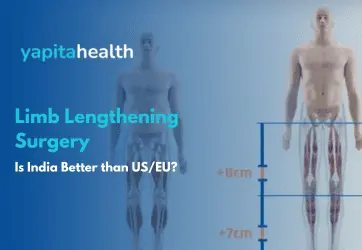
Limb lengthening surgery is a surgical procedure that increases the length of bones in the legs (femur or tibia) to treat discrepancies or, in some cases, for cosmetic height enhancement. The process involves carefully cutting the bone and slowly stretching it over time, allowing new bone tissue to form in the gap. This procedure was originally developed to treat conditions like dwarfism, congenital deformities, or injuries causing uneven leg lengths. However, it has recently gained popularity among healthy adults seeking a taller stature.

When we think of bone cancer, most people picture unbearable pain or visible lumps. The truth is, bone cancer often whispers before it roars. Most articles you come across, list the general bone cancer symptoms such as pain and swelling without explaining crucial things. For example, how would someone distinguish everyday pain from cancer-related discomfort? We'll explore the unspoken, misunderstood and rarely discussed symptoms that patients often experience before their diagnosis.

Hip arthroplasty which you may know as hip replacement surgery is one of the most effective ways to replace damaged bone and cartilage from your hip. This may be due to osteoarthritis or an injury - it is important to know the cause to determine the success. Other factors to keep in mind include - surgeon s expertise, your health and determination to stick to the post-op care. For patients with advanced hip joint damage such as above, replacing the bone or cartilage through this surgery improves mobility and reduces pain. The outcomes are usually positive with experienced surgeons.