Take a look at the day-by-day journey of stem cell therapy in Mexico:
Before Coming to the Clinic
Remote consultation: You share your medical history, reports, scans, and current symptoms with the clinic. A specialist reviews whether stem cell therapy is suitable for your condition and explains the likely treatment approach, expected outcomes, and estimated number of sessions.
Medical review and planning: The doctor may request lab work, imaging, or previous treatment records to confirm eligibility. You discuss whether the therapy is intended for pain management, joint repair, autoimmune support, orthopedic recovery, or anti-ageing/longevity purposes.
Travel and logistics: Once the treatment plan is approved, you book travel, accommodation, and any required companion support. You may also receive instructions about medications to pause before treatment, fasting, hydration, and what documents to bring.
In Mexico (Treatment Week)
Day 0 (Arrival and evaluation): You arrive at the clinic for a final in-person consultation. The team reviews your records again, performs a physical exam, confirms the treatment plan, and may take baseline vitals or blood tests. This visit is also used to answer questions and finalize consent.
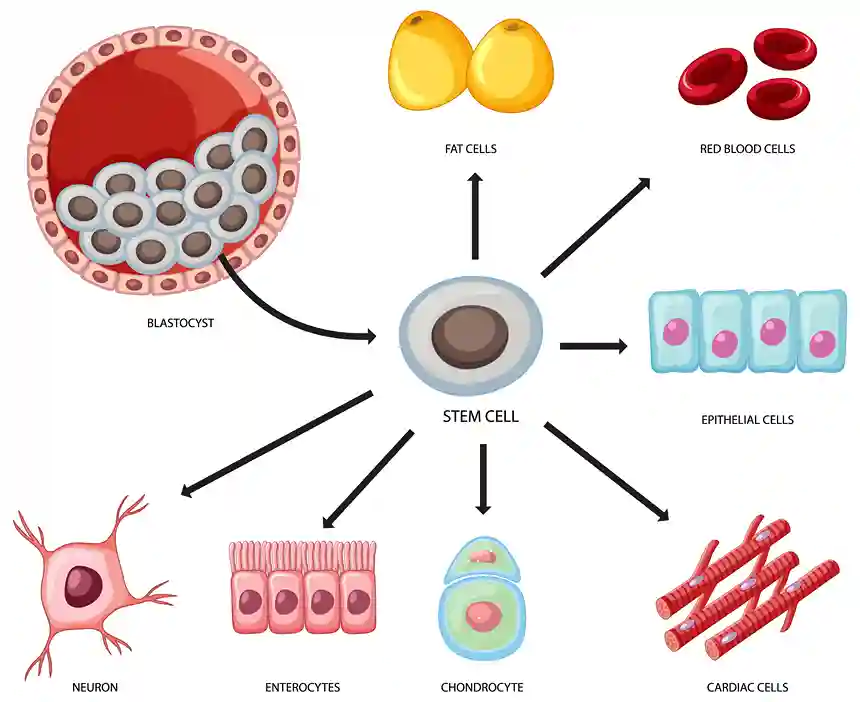
Day 1 (Stem cell procedure day): Depending on the protocol, stem cells may be prepared from adipose tissue, bone marrow, umbilical-derived products, or other approved sources. The procedure is usually done under local anesthesia or light sedation. The cells are then administered by IV infusion, joint injection, spinal injection, or targeted local injection based on the condition being treated.
Day 2 (Observation and recovery): Most patients are monitored for a few hours after the procedure, especially if IV or injection-based therapy was used. The clinic checks for immediate reactions, hydration status, and comfort level. You receive aftercare instructions and any medications or supplements recommended by the doctor.
Day 3-5 (Rest and follow-up): You continue light activity and avoid strenuous exercise, alcohol, and smoking if advised. Some clinics schedule a follow-up appointment to assess early response, review symptoms, and provide travel clearance if you are flying home soon.
After Treatment (Recovery and Results Timeline)
Days 1-7: Mild fatigue, soreness at the injection site, or temporary inflammation may occur. Many patients can resume light daily activity quickly, but the body is still adjusting.
Weeks 2-6: Early improvements may begin in pain, mobility, inflammation, or energy depending on the condition treated. Some patients notice gradual changes rather than dramatic immediate effects.
Months 2-3: Repair and regeneration effects may become more noticeable. Follow-up assessments help determine whether additional support therapy is needed.
Months 3-6+: Outcomes continue to develop over time. For orthopedic, autoimmune, and wellness-based protocols, the full benefit is often judged over several months rather than days.