
5,000+
Successful treatments placed
Real patients, real outcomes across hair, dental, cosmetic and IVF programs in 13+ countries since launch.
+4,995 happy travellers
Kidney transplant is the best option for dialysis patients.

Dar es salaam is a popular destination for kidney transplants for several reasons. Firstly, the country boasts highly skilled and internationally-trained nephrologists and surgeons who have performed numerous successful kidney transplant surgery in Dar es Salaam, Tanzania.
The high burden of chronic kidney diseases (CKDs) in Africa requires the presence of facilities in accessible countries like Dar es Salaam for the best treatment.
Countries like Tanzania have locations like Dar es Salaam with good facilities that provide definitive treatment for such patients at low costs in Africa.
Share a few details and receive a personalized quote from our medical coordinators within 24 hours no obligation.
Kidney transplant is best indicated for managing end-stage kidney diseases or kidney failure cases in which normal kidney function is compromised and toxins like urea, and creatinine gets accumulated in the body affecting overall body functioning.
Many people wonder can dialysis reverse chronic kidney disease, and no, it only helps sustain the kidney function. A kidney transplant is the best alternative to dialysis. It eliminates the need for dialysis and has better clinical outcomes.
The hospitals in Dar es Salaam are well-equipped with the latest medical technologies, ensuring precise diagnosis and effective treatment.
Additionally, kidney transplant in Dar es Salaam, Tanzania is cost-effective, with procedures often being more affordable compared to other countries in Africa.
Kidney transplant is a surgical procedure that involves replacing a diseased or nonfunctioning kidney with a healthy kidney from a living or deceased donor.
Living donor transplant: This involves taking a healthy kidney from a living donor, usually a family member or close friend of the recipient, and transplanting it into the recipient's body. This procedure allows for faster recovery and better overall outcomes compared to deceased donor transplant.
Deceased donor transplant: On the other hand, involves taking a kidney from a deceased donor and transplanting it into the recipient's body. There are several different types of deceased donor kidneys, including standard criteria donor kidneys, extended criteria donor kidneys, and kidneys from donors after cardiac death. Ultimately, the choice of kidney transplant type depends on a number of factors, including the recipient's health status, blood type, and availability of suitable donors.
Kidney transplant may be necessary for individuals with end-stage kidney disease or chronic kidney failure that cannot be effectively managed with other treatments like dialysis.
Kidney transplantation can be a treatment option for various conditions, including but not limited to:
1. End-stage renal disease (ESRD)
2. Diabetes-related kidney disease
3. Polycystic kidney disease
4. Glomerulonephritis
5. Lupus nephritis
The patient journey for kidney transplant in Dar es Salaam, Tanzania looks like following:
The following sections explore these three phases in depth.
Before undergoing a kidney transplant, patients need to meet certain requirements and undergo a thorough evaluation process. These evaluations assess the patient's overall health, kidney function, and suitability for the transplantation procedure. The requirements are:
In case of living donor, the requirements are:
The Muhimbili National Hospital (MNH) is the primary center for kidney transplant in Dares Salaam, here's how the evaluation process goes - it takes several weeks to months:
| Stage | Evaluation Components |
| Medical Work-up | Blood group typing, HLA (tissue) matching/typing, and cross-matching to check for compatibility. |
| Organ Screening | Abdominal ultrasound, CT scans, Chest X-rays, and ECG/Echocardiograms to check heart and lung function. |
| Specialist Review | Evaluations by a Nephrologist, Urologist, Cardiologist, and often a Dentist (to rule out hidden infections). |
| Psychosocial Evaluation | A Social Worker or Psychologist assesses the patient’s support system and mental readiness for the surgery and recovery. |
| Legal Authorization | A Transplant Authorization Committee (at MNH) must approve the pair. This committee includes doctors, lawyers, and religious leaders to ensure the donation is voluntary and not for commercial gain. |
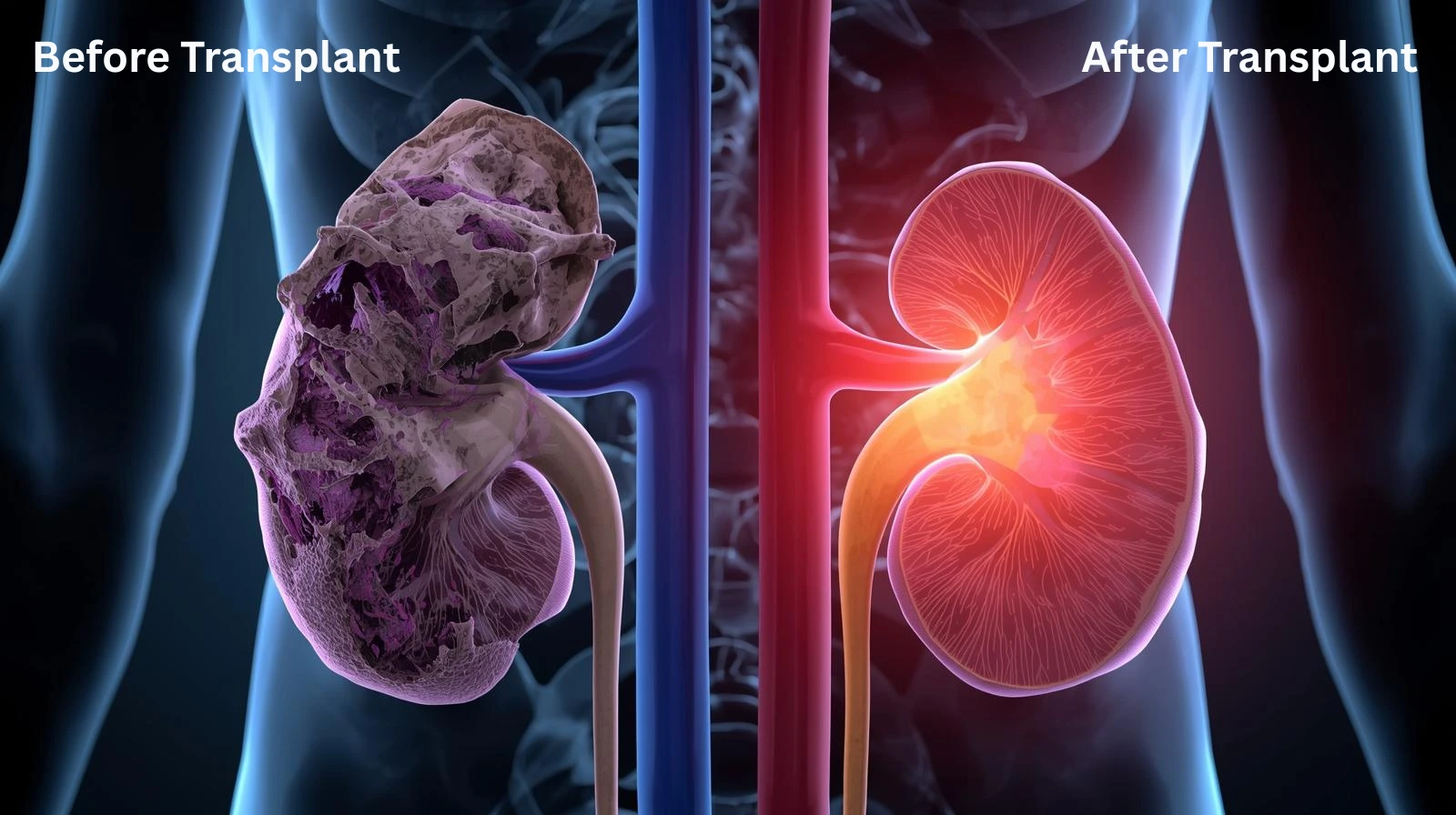
The kidney transplant procedure generally involves the following steps:
Before the Procedure
Before the kidney transplant surgery, patients will undergo several pre-procedural preparations, including screening tests, evaluations, and discussions regarding immunosuppressive medications. The common pre-transplant tests include Blood group typing, HLA (tissue) matching, and cross-matching to check for compatibility.
After the Procedure
After the kidney transplant surgery, patients will be closely monitored and will need to take immunosuppressive medications to prevent organ rejection. Regular follow-up visits are necessary to monitor kidney function and overall health.
During the recovery period, patients will have frequent follow-up visits with the transplant team to monitor kidney function, adjust medications, and address any concerns or complications that may arise.
Risk & Benefits
Possible risks or complications of kidney transplant include infection, bleeding, organ rejection, side effects of immunosuppressive medications, and surgical complications.
However, the benefits of kidney transplant can be significant, including improved quality of life, better long-term outcomes, and freedom from dialysis.
Recovery
Recovery time after kidney transplant varies for each individual. It typically takes several weeks to months to fully recover and resume normal activities. However, this can vary depending on the patient's overall health, complications, and adherence to post-transplant care.
The average cost of kidney transplant in Dar es Salaam is around $15,000 - $22,500. The cost varies depending on several factors like:
| Test | Cost (TZS) | Cost (USD) |
|---|---|---|
| HLA Typing | 40,000-130,000 | $15-48 |
| Crossmatch (PRA/CDC) | 75,000-105,000 | $28-39 |
| Blood work (CBC, LFT, etc.) | 12,000-38,000 | $4.5-14 |
| Imaging (USG/CT) | 25,000-65,000 | $9-24 |
| Anti-rejection meds (monthly) | 105,000-135,000 | $39-50 |
| Total Pre-Tests | 157,000-338,000 | $58-125 |
Hospitals like Muhimbili National Hospital (MNH) are the only well-known facilities in Dar es Salaam that provide exceptional kidney transplant services.
Other nearby hospitals for kidney transplant can be found in Nairobi, Kenya -
All of the abovementioned facilities can provide the best kidney transplant services for patients with chronic conditions like CKD.
Verified clinics, transparent pricing, end-to-end concierge the proof, measured.
5,000+
Successful treatments placed
Real patients, real outcomes across hair, dental, cosmetic and IVF programs in 13+ countries since launch.
1,000+
Expert doctors
Board-certified specialists committed to quality care
20+
Countries covered
From Istanbul to São Paulo, on six continents.
98%
Patient satisfaction
Verified post-treatment reviews & follow ups.
400+
Partner hospitals
JCI and ISO-accredited facilities only.
100%
Verified clinics
On-site audits before any clinic ships traffic.
24/7
Patient support
Concierge in your language, every step of the way.
At Yapita Health, we offer kidney transplant services with a skilled medical team. Our expertise, personalized care, and state-of-the-art facilities ensure the best outcomes for patients in need of a kidney transplant.
Get in touch today for a successful procedure and improved quality of life.
Share a few details and a Yapita Health coordinator will send you a vetted clinic shortlist and personalized quote within 24 hours.
Transparent pricing, no hidden fees. Every package includes the clinic stay, surgeon fee and aftercare.
Common questions about Kidney Transplant Surgery in Dar es salaam, Tanzania , answered by our care team.
There is no such upper limit of KTP in patients.
Kidney transplant is done in patients with a history of dialysis, end-stage renal disease, kidney failure and chronic kidney disease.
If one has a history of kidney disease or kidney failure, the doctor confirms the eligibility for a kidney transplant. Tests are performed to confirm the eligibility and plan the treatment further. Our nephrologists at yapita health are highly experienced in performing ABO-incompatible kidney transplants also.
Yes, kidney transplant in India is one of the safest due to the well-equipped, internationally accredited hospitals and experienced transplant surgeons who conduct the procedure.
We at Yapita Health provide quality healthcare services to our patients. We have a global network of accredited hospitals and doctors.
We provide complete medical facilities to our patients 24/7.
You can visit our website to explore the network of accredited hospitals and expert doctors.
The advantages are:
It can be found out using tests like blood type compatibility, and tissue type matching.
You have to consult your doctor and take an opinion. With advanced in technological intervention and our surgeons are revolutionizing kidney transplants with the latest technologies and ABO incompatibility.
The average kidney transplant cost in India is $14,000 with the cost range depending on the type of kidney transplant, surgical procedure and chosen city. For example, the kidney transplant cost in Delhi (one of the best medical treatment cities in India) is between $8,500-$17,500.
Expert guides and insights about Kidney Transplant Surgery in Dar es salaam, Tanzania to help you decide with confidence.

Discover effective treatment options for early-stage kidney failure. Learn about lifestyle changes, medication, and dietary modifications that can slow the progression of the disease and improve kidney function

To understand the role of dialysis in reversing kidney failure, it's important to first focus on the concept of kidney functioning. Explore our in-depth information on whether dialysis can reverse kidney failure. Understand kidney health better with us

Maintaining good kidney health is essential for overall well-being. Learn 10 effective ways to keep your kidneys healthy including hydrating, a healthy diet, exercise, and regular check-ups

A recent study published in JAMA has explained that using kidneys from COVID-19 donors, active or resolved is safe. Researchers have reported excellent outcomes during the follow-up period.

Kidney Transplant is the best alternative to dialysis. Read more to find out about the procedure, benefits, and precautions