
5,000+
Successful treatments placed
Real patients, real outcomes across hair, dental, cosmetic and IVF programs in 13+ countries since launch.
+4,995 happy travellers
Get Affordable Liver Transplant in Pakistan with Yapita

A liver transplant is a surgical procedure that involves replacing a diseased or damaged liver with a healthy liver from a deceased or living donor.
Liver transplant in Pakistan is rapidly improving with support from surrounding countries and international support. Both living and deceased donor transplants are permitted in Pakistan; most common- living related donors
The following article looks into the different cities that offers this surgery and compares its cost locally and internationally.
Leading centers in Pakistan include Lahore, Karachi, and Islamabad. Average liver transplant cost in Pakistan is around $35,000–$50,000 USD.
Share a few details and receive a personalized quote from our medical coordinators within 24 hours no obligation.
The average cost of liver transplant in Pakistan is around $35,000–$50,000 USD, it depends on the chosen city and the type of liver transplant. Here's the city-wise cost for liver transplant:
|
City |
Typical Cost (USD) |
Notes |
|---|---|---|
|
Lahore |
$32,000–$44,000 |
Public: Lower end; PKLI is less expensive |
|
Karachi |
$37,000–$50,000 |
Higher in private hospitals |
|
Islamabad |
$38,000–$52,000 |
Private sector rates, with comprehensive packages |
N.B.Costs cover pre-surgical testing, surgery, brief post-op stay, and immunosuppressive medication for three months. Public sector (especially SIUT in Karachi) occasionally covers costs for select, eligible patients.
|
Country/Region |
Cost of Liver Transplant |
|---|---|
|
Pakistan |
$35,000–$50,000 |
|
India |
$23,000–$25,000 (Living), $25,000-30,000+ (deceased, less preferred) |
|
Uzbekistan |
$20,000–$25,000 |
|
Tajikistan |
~$12,500 |
|
Turkey |
$40,000–$70,000 |
|
Dubai (UAE) |
$123,000–$200,000 |
|
US |
$500,000–$1,000,000 |
Pakistan’s liver transplant capacity and experience are among the highest in South Asia after India and Turkey. Several cities provide advanced care with established surgical teams and post-operative follow-up:
Sheikh Zayed Hospital: Pakistan’s pioneering and highest-volume public liver transplant facility; more than 1,000 transplants performed since 2012.
PKLI (Pakistan Kidney and Liver Institute): Modern, state-backed transplant center with high surgical capacity.
Aga Khan University Hospital: Leading private sector facility with international standards, experienced teams, and transparent legal/ethical protocols.
SIUT (Sindh Institute of Urology and Transplantation): Performs free-of-cost transplants for indigent patients.
Shifa International Hospital: Long-running transplant program, known for surgical expertise and comprehensive care.
Quaid-e-Azam International Hospital: Private hospital with a growing transplant profile.
Lahore, Karachi, and Islamabad have the most experience and best outcomes. Most major hospitals in these cities are internationally certified and attract patients from across Pakistan and abroad.
Verified clinics, transparent pricing, end-to-end concierge the proof, measured.
5,000+
Successful treatments placed
Real patients, real outcomes across hair, dental, cosmetic and IVF programs in 13+ countries since launch.
1,000+
Expert doctors
Board-certified specialists committed to quality care
20+
Countries covered
From Istanbul to São Paulo, on six continents.
98%
Patient satisfaction
Verified post-treatment reviews & follow ups.
400+
Partner hospitals
JCI and ISO-accredited facilities only.
100%
Verified clinics
On-site audits before any clinic ships traffic.
24/7
Patient support
Concierge in your language, every step of the way.
Experience and accessibility: Pakistan’s major centers perform hundreds of transplants annually with high success rates and rigorous legal/ethical oversight.
Donor rules: Most transplants use living related donors, with deceased donor programs developing.
Medical tourism: Pakistan attracts overseas Pakistanis and regional patients (esp. from Afghanistan and Central Asia) for affordable, quality care.
Post-op care: Extensive follow-up is available, but long-term meds and complications may increase overall cost.
This transplant in Pakistan is available at major accredited centers in Lahore, Karachi, and Islamabad, at a fraction of Gulf or Western prices. With both private and public options, Pakistan balances cost with experience - making it a leading affordable regional choice.
Get in touch today to get your online consultation with the best liver transplant specialist today!
Share a few details and a Yapita Health coordinator will send you a vetted clinic shortlist and personalized quote within 24 hours.
Transparent pricing, no hidden fees. Every package includes the clinic stay, surgeon fee and aftercare.
Common questions about Liver Transplant in Pakistan, answered by our care team.
The life expectancy of a successful liver transplant can give an individual an extra 10-15 years of life with a healthy liver.
Patients with end-stage liver disease like cirrhosis or someone having a tumor in the liver require liver transplant. Sometimes even people having very fatty liver may need liver transplants.
Typically family members with a healthy liver donate liver but the liver of the donor must be compatible with the recipient.
Well, liver transplants have evolved over the past decades and have increasingly become safe but they still have underlying risks like infection, damaging other organs, and even death.
The duration of the liver transplant operation takes 6 to 12 hours. It can also take more time if the severity of the case is high.
The average hospital stay for a liver transplant surgery is typically around 21 days but it can go up depending on the patient's condition.
Over the past decades, the liver transplant success rate has increasingly improved and become close to 70-80%.
Yes, post liver transplants, patients will need to take lifelong immunosuppressant medications to prevent liver rejection.
Post a liver transplant, the patient has to make significant changes in his/her lifestyle including stopping alcohol, quitting smoking, exercising regularly, having a healthy diet, etc
Expert guides and insights about Liver Transplant in Pakistan to help you decide with confidence.

Liver cirrhosis is one of the most common issues plaguing Africans with nearly 50% of the patients being admitted with end-stage disease. Cirrhosis affects young adults between 20-40 years mainly due to exposure to Hepatitis B. Males are more affected than female indivdiuals. Liver cirrhosis treatment has two approaches - medical management and liver transplant - this guide gives you the complete cost information about both options.

If you re considering liver transplant surgery, choosing the best country can impact everything: cost, success rate, post-surgery recovery, and overall experience. This blog brings you the facts on the best country for liver transplant surgery, including side-by-side cost comparisons, recovery expectations, and the countries now leading the surgery.
Enzymes are the heroes of your body - they work behind the scenes to keep everything running smoothly. For example, without them your body wouldn t be able to break down food into energy or copy DNA. Your liver plays a key role in digestion as it produces important enzymes and fluids such as bile. This helps break down fats in your small intestine to allow proper absorption. It also helps your liver release important enzymes such as alanine transaminase (ALT) and aspartate transaminase (AST). When the enzyme levels rise it may be seen as a sign of something wrong in your liver. This affects your digestion as well as overall health.
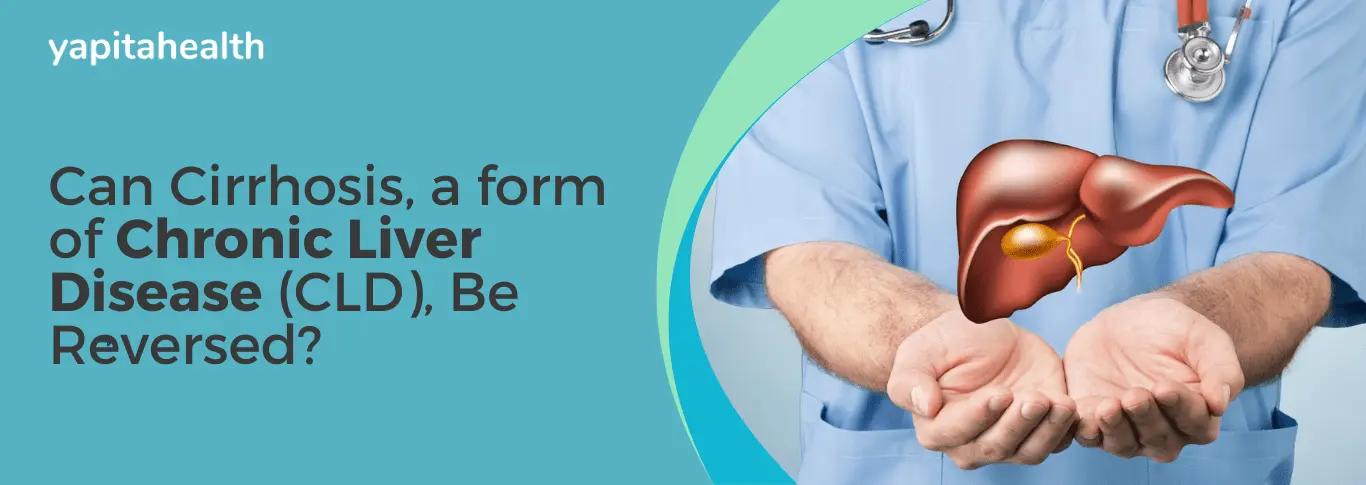
Liver cirrhosis is a chronic condition in which the liver progressively worsens and gets severe tissue scarring, leading to poor liver function. Fundamentally, the liver filters toxins from the blood, manufactures bile, and conducts other metabolic activities. Over time, due to cirrhosis, it becomes increasingly damaged. The replacement of healthy liver tissue with scar tissue reduces the capability of the organ to function properly, which causes severe health complications.
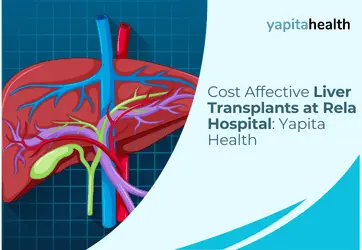
Regarding advanced medical treatment, especially regarding liver transplantation, Rela Hospital in Chennai is one of the most renowned institutions in India. This hospital has state-of-the-art technology, the first-class expertise of medical professionals, and a patient-oriented approach. Liver transplant price in India are relatively lower when compared to many Western nations. We will go through in this blog what makes liver transplants at Rela Hospital extraordinary in terms of technology, staff and doctor expertise, and patient experience.